
Common Animals Removed by Professional Wildlife Control Services
Local wildlife control service providers can help remove common animals like raccoons, squirrels, bats, and birds that invade homes and properties.
If property owners are noticing unusual activity or signs of intrusion, understanding which animals are commonly removed by professional wildlife control services can be a helpful first step. Many local residents find themselves dealing with critters that seek shelter or food in attics, basements, or yards, making it important to identify the typical animals involved. Whether it’s a raccoon rummaging through trash, squirrels nesting in the eaves, or birds building nests in vents, these situations can pose challenges that require specialized removal methods. Local contractors experienced in wildlife control can provide effective solutions tailored to these common animal intrusions, helping to protect property and prevent future issues.
Exploring this topic further can clarify what to expect when seeking professional assistance for wildlife-related concerns. Property owners often want to ensure that animals are removed safely and humanely, with minimal disruption to their homes or daily routines. Local wildlife control service providers have the knowledge and tools to handle a variety of common animals removed by professional wildlife control services, offering peace of mind that the job will be done correctly. Continuing to read can help identify which animals might be involved and how local experts can assist in resolving these situations efficiently and responsibly.
- Bird removal services - when birds have nested in attics or chimneys, local contractors use humane methods to safely remove and prevent future nesting.
- Squirrel control - if squirrels are damaging roofs or entering homes through vents, local wildlife control providers implement exclusion techniques to remove and deter them.
- Bat removal - in cases where bats roost in eaves or walls, local pros carefully remove colonies and seal entry points to protect property and prevent re-entry.
- Raccoon removal - when raccoons invade attics or crawl spaces, service providers employ trapping and exclusion strategies to remove these animals humanely.
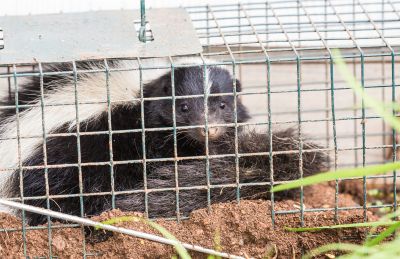
- Skunk removal - if skunks are digging near foundations or under decks, local contractors handle removal and implement measures to prevent future visits.
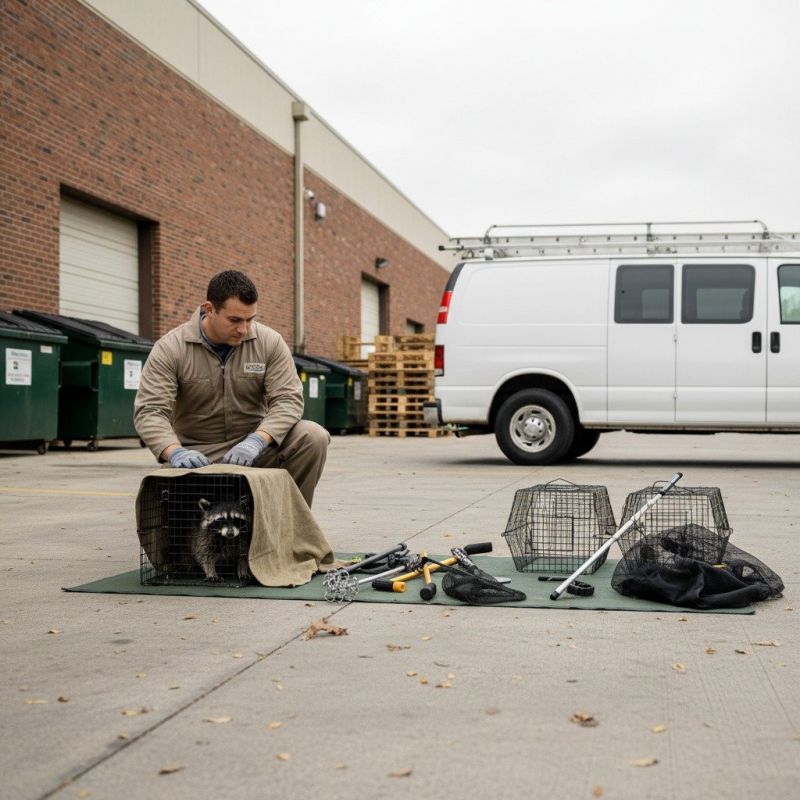
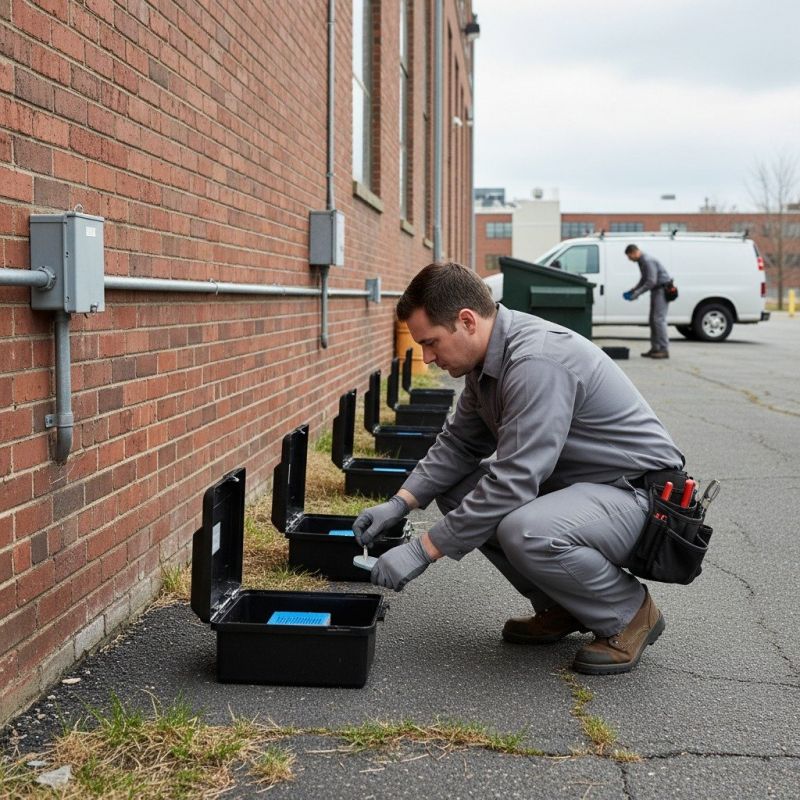
When people search for information about animals removed by professional wildlife control services, they are often facing situations where unwanted creatures have taken up residence on their property or are causing damage. This search typically stems from encounters with animals that have entered homes, attics, garages, or yards, creating concerns about safety, property damage, or health risks. Homeowners may be dealing with animals that are active during the day or night, and they want to understand which animals are commonly involved so they can better identify the problem and find effective solutions. Recognizing the types of animals involved helps property owners determine whether professional removal is necessary and what kind of approach a local contractor might take to resolve the issue.
The problems related to common animals removed by professional wildlife control services often involve intrusion, noise, droppings, or structural damage. For example, animals such as raccoons, squirrels, or bats may nest in attics or wall voids, leading to insulation contamination or damage to wiring. Birds nesting in chimneys or vents can block ventilation and create fire hazards. In some cases, animals like skunks or groundhogs may burrow under decks or porches, causing landscaping issues or undermining foundations. Homeowners usually seek professional help when these animals become a persistent nuisance or pose health risks, as DIY methods may not be effective or safe. Local service providers are equipped to handle these specific problems by safely removing the animals and implementing exclusion measures to prevent future intrusions.
The types of properties where these common animals are removed tend to vary widely but often include residential homes, especially those with accessible attics, basements, or crawl spaces. Rural properties, farms, and cabins are also common locations due to their proximity to natural habitats. Urban and suburban neighborhoods are frequently affected as well, with animals finding entry points through vents, chimneys, or gaps around windows and doors. Structures with poor insulation or damaged siding are more likely to attract animals seeking shelter. Property owners should be aware that wildlife control professionals are experienced in assessing different property types and can recommend tailored solutions for each situation, whether it involves sealing entry points, installing barriers, or humane removal techniques.
Understanding which animals are commonly removed by professional wildlife control services helps homeowners connect their specific issues with the expertise available locally. Whether dealing with raccoons rummaging through trash, squirrels nesting in eaves, or bats roosting in attics, these animals often require specialized removal and exclusion strategies. Local contractors are familiar with the behavior patterns of these animals and know how to address each situation effectively and humanely. Recognizing the types of animals involved and the typical property scenarios can make it easier for property owners to choose the right professional help, ensuring the problem is resolved efficiently and preventatively.
Bird Control Services - Professionals often handle bird exclusion and removal, which requires similar planning and tools used in wildlife removal to prevent nesting and entry points.
Rodent Exclusion Projects - Removing common rodents involves sealing entry points and trapping, skills that are applicable to wildlife control for various small animals.
Bat Removal and Exclusion - Bat removal requires specialized techniques to safely remove and exclude these animals, aligning with the methods used in wildlife control for similar species.
Animal Damage Repairs - Addressing damage caused by wildlife involves assessing entry points and structural repairs, a task often performed by local contractors experienced in wildlife-related issues.
Nest Removal and Prevention - Removing nests and installing deterrents are common tasks in wildlife control, requiring careful planning and site assessment skills.
Wildlife Habitat Modification - Altering landscape features to discourage animal presence involves similar planning and execution skills as removing animals by professionals.
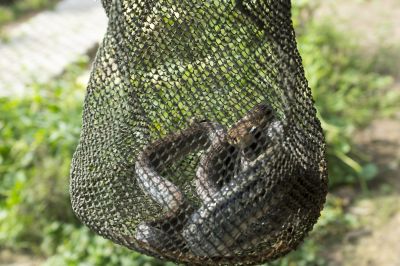
When evaluating wildlife control service providers, it is important to consider their experience with similar projects involving common animals removed by professional wildlife control services. A contractor with a proven track record handling wildlife intrusions such as raccoons, squirrels, bats, or birds is more likely to understand the nuances of safely and effectively removing these animals. Asking about past projects or seeking references can provide insight into their familiarity with different situations and their ability to manage the unique challenges each type of animal presents.
Clear, written expectations are essential when comparing local contractors for wildlife control. Service providers should be able to outline the scope of work, methods used, and any follow-up procedures in a straightforward manner. This helps ensure there is mutual understanding about what the job entails and reduces the chance of surprises or misunderstandings. Well-documented plans also serve as a basis for assessing the professionalism and transparency of each contractor, making it easier to determine which one aligns best with the homeowner’s needs.
Good communication is a key factor when choosing a wildlife control service provider. A reputable local contractor should be approachable and willing to answer questions about the removal process, the types of animals involved, and how they will address any potential issues that might arise. Reliable communication helps homeowners feel confident that the project is being managed responsibly and that they will be kept informed throughout the process. Overall, considering experience, clear expectations, and effective communication can help homeowners select a service provider well-equipped to handle common animals removed by professional wildlife control services.
Property owners often search for common animals removed by professional wildlife control services when they are planning practical projects around their homes and businesses. Local pros provide Wildlife Control services for everyday jobs and straightforward project options.
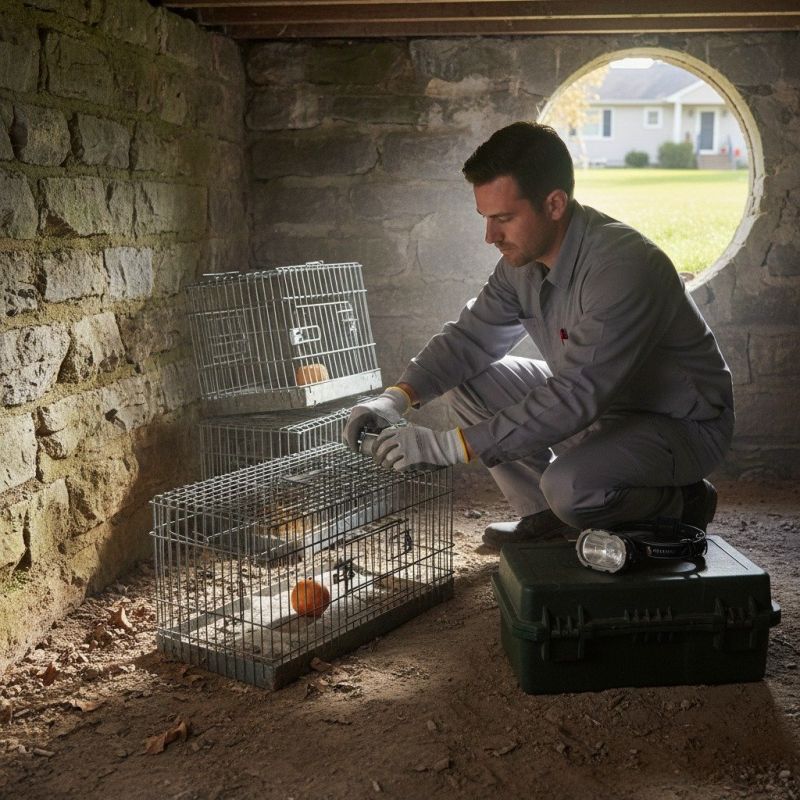
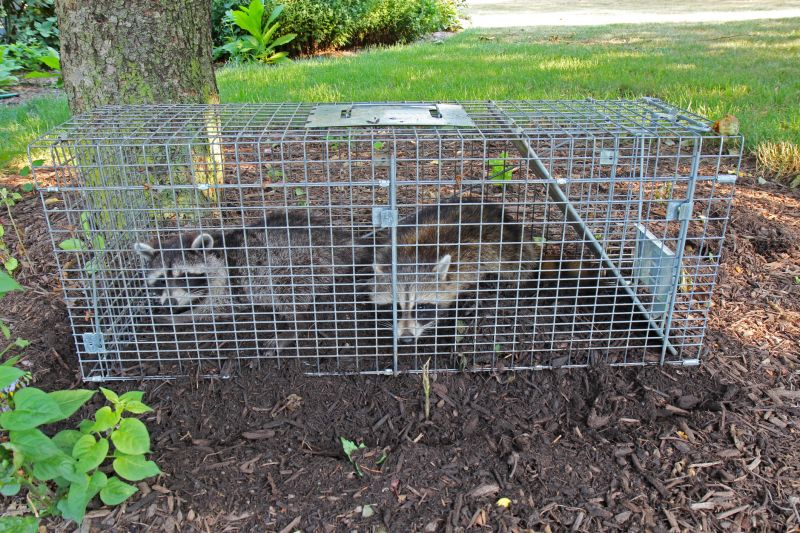
Many property owners in the area encounter situations where unwanted animals have taken up residence on their property, prompting the need for professional wildlife control services. Common animals removed by professional wildlife control services often include raccoons, squirrels, bats, and birds, which can find access points to attics, crawl spaces, or other hidden areas. These animals can cause property damage, create noise disturbances, or pose health concerns, making prompt removal essential for maintaining a safe and comfortable environment.
Local contractors experienced in wildlife removal offer practical solutions for addressing these common animal intrusions. They can assess the situation, safely remove the animals, and implement measures to prevent future visits. Property owners seeking effective and humane removal methods often turn to these service providers to handle the situation efficiently, ensuring that the property remains protected from recurring wildlife issues.
What are some common animals removed by professional wildlife control services? Wildlife control services frequently handle animals such as raccoons, squirrels, bats, birds, and skunks that invade residential or commercial properties.
Why do wildlife control professionals often remove raccoons and squirrels? Raccoons and squirrels are common animals removed because they often seek shelter in attics, chimneys, and wall cavities, causing property damage and potential health concerns.
Are bats and birds typically removed by wildlife control services? Yes, bats and various bird species are regularly removed when they roost in buildings, especially during nesting seasons, to prevent damage and health risks.
Which animals are considered pests that wildlife control services frequently remove? Animals such as opossums, groundhogs, and skunks are considered pests and are often removed to prevent property damage and nuisance issues.
Can wildlife control services handle the removal of less common animals? Yes, local contractors can also remove less common animals like moles, snakes, or foxes if they pose a threat or cause damage on a property.
Identifying common animals removed by professional wildlife control services - property owners can learn which pests are frequently handled by local contractors to better understand potential issues on their property.
Implementing exclusion techniques to prevent animal entry - using advice from local pros, property owners can apply simple barriers and repairs to keep common animals removed by professional wildlife control services out.
Creating a maintenance plan for wildlife-proofing - regular inspections and upkeep suggested by local contractors can help maintain effective barriers against common animals removed by professional wildlife control services.
Understanding signs of wildlife presence - recognizing indicators such as droppings or damage can help property owners decide when to seek assistance from local pros for animals commonly removed by professional wildlife control services.
If you are thinking about common animals removed by professional wildlife control services for a property, this guide is meant to help you understand this topic, the typical project types, and how different options might fit your plans.
When you are ready, you can use the quote form on this page to share a few details about your project. From there, local pros can review the basics and follow up with options that match what you have in mind.