
What to Expect During Professional Wildlife Removal Service
People seeking wildlife removal typically want pests safely removed and excluded, and local service providers can handle the job professionally and efficiently.
If you're considering professional wildlife removal service, understanding what to expect can help ease any concerns about the process. Property owners in the area often seek out these services to address unexpected visitors like raccoons, squirrels, or bats that may find their way into homes or businesses. Knowing how local contractors handle wildlife intrusions can provide reassurance that the removal process is designed to be efficient and minimally disruptive, focusing on humane practices and effective exclusion methods. Keep reading to learn more about the typical steps involved and how experienced service providers work to restore safety and peace of mind.
During a professional wildlife removal service, property owners can generally expect a thorough inspection to identify the source of the problem and the extent of the intrusion. Local contractors often prioritize humane removal, ensuring animals are relocated safely and ethically. After the animals are removed, the process may include sealing entry points and implementing preventative measures to reduce the chances of future visits. Understanding these steps can help clarify the value of professional assistance and highlight how local service providers are equipped to handle wildlife issues responsibly and effectively.
- Wildlife removal - individuals may need this service when animals have entered their homes or properties, and local contractors focus on humane and effective removal methods.
- Bat exclusion - property owners noticing bat activity or entry points might seek professional assistance to safely and permanently exclude bats from buildings.
- Squirrel trapping - when squirrels cause damage or pose health concerns, local service providers implement trapping and prevention strategies.
- Bird control - people experiencing bird infestations or nesting issues often turn to local pros for humane removal and deterrent solutions.
- Raccoon removal - property owners confronting raccoon intrusions look to local contractors for safe removal and advice on preventing future visits.
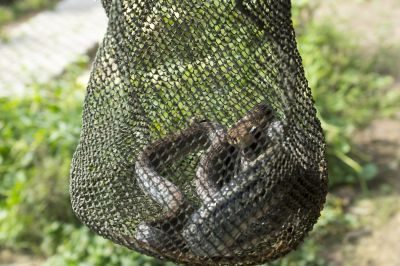
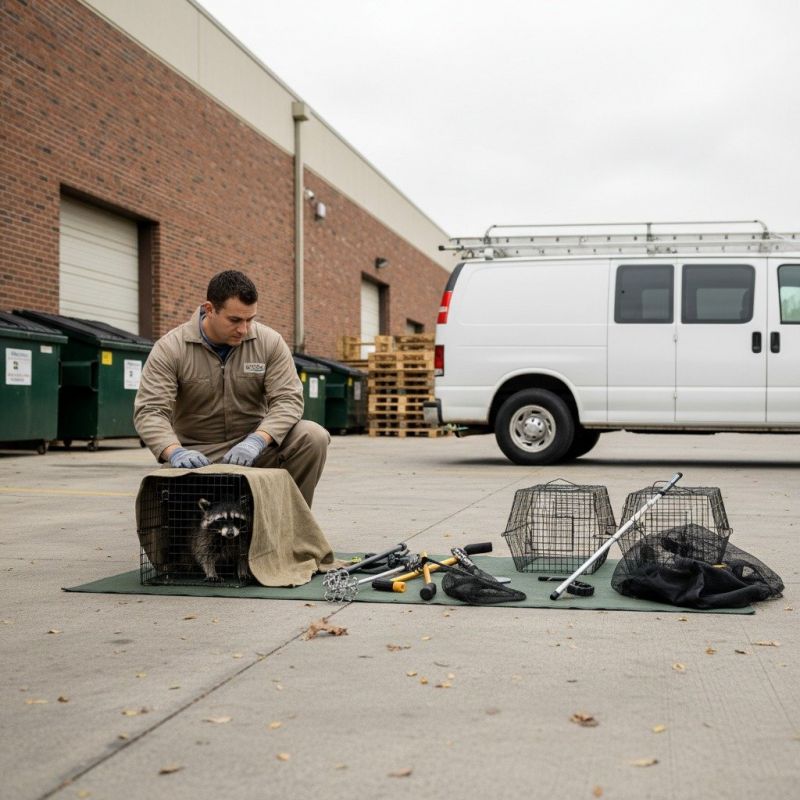
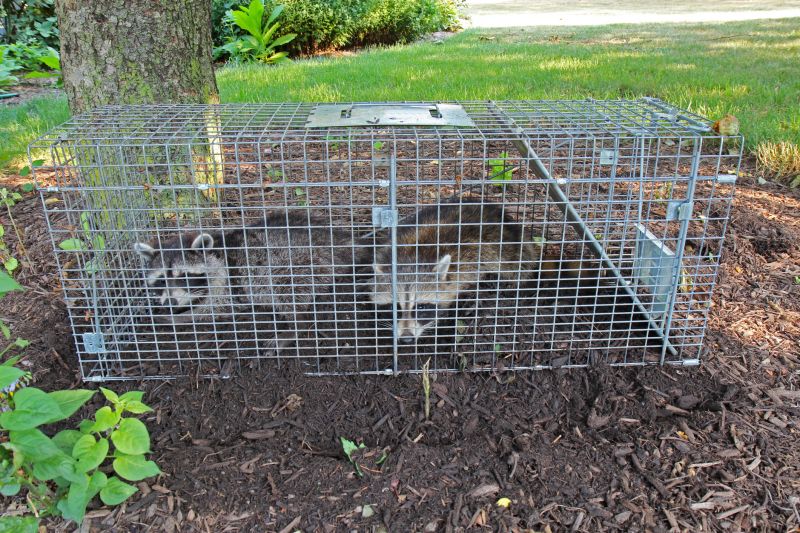
When searching for information on what to expect during professional wildlife removal service, homeowners are often looking to understand the general process involved in resolving unwanted animal intrusions. These services typically address situations where wildlife such as raccoons, squirrels, bats, or birds have entered a property and are causing concern. People want to know how the removal process works, including what steps are taken to safely and humanely remove animals, and what kind of disruptions or precautions might be involved. Knowing what to anticipate helps homeowners prepare for the service and understand how local contractors approach these situations, ensuring the problem is handled effectively and responsibly.
Wildlife removal services are commonly associated with a variety of property problems. These can include animals nesting in attics, finding their way into wall cavities, or establishing roosts in chimneys or vents. Many property owners seek these services when they notice signs of animal presence, such as droppings, noises, or damage to insulation and wiring. The plans for wildlife removal often involve assessing the extent of the intrusion, locating entry points, and implementing humane exclusion methods. These steps are designed not only to remove the animals but also to prevent future access, which makes the process relevant to both immediate concerns and long-term property protection.
The types of properties that typically come up during wildlife removal services are primarily residential homes, but they can also include small commercial buildings or outbuildings like sheds and garages. Homes with attic spaces are especially common sites for wildlife activity, as they provide ideal nesting and roosting spots. Properties located in wooded or suburban areas tend to experience more frequent wildlife issues, as animals are naturally drawn to these environments. Local service providers are experienced in handling the unique challenges posed by different property types, ensuring that the removal process is tailored to the specific layout and construction features of each property.
Understanding what to expect during professional wildlife removal service helps homeowners see how local contractors fit into the process. These service providers are equipped to evaluate the situation, identify the species involved, and carry out humane removal techniques. They also often offer advice on sealing entry points and making properties less attractive to wildlife in the future. The goal is to resolve the immediate problem efficiently while minimizing damage and ensuring the safety of both the animals and the property. For homeowners, knowing that local experts are ready to handle these situations provides reassurance that the wildlife intrusion can be addressed professionally and with care.
Attic insulation removal and replacement - professionals often handle insulation tasks when wildlife has damaged or contaminated it, requiring careful planning and specialized tools similar to those used in wildlife removal.
Exclusion and sealing projects - sealing entry points and installing barriers are common in both wildlife removal and pest-proofing services, requiring precise planning and attention to detail.
Rodent trapping and removal - capturing and removing rodents involves similar trapping techniques and safety measures as those used during wildlife removal services.
Nesting site removal and cleanup - clearing nests and disinfecting affected areas are essential steps that align with wildlife removal procedures to ensure thorough cleanup.
Structural damage repair - repairing chewed wiring, damaged wood, or other structural issues caused by wildlife shares skills related to damage assessment and repair planning.
Bird control and deterrent installation - installing deterrents and bird exclusion devices requires planning and tools comparable to those used in wildlife exclusion efforts.
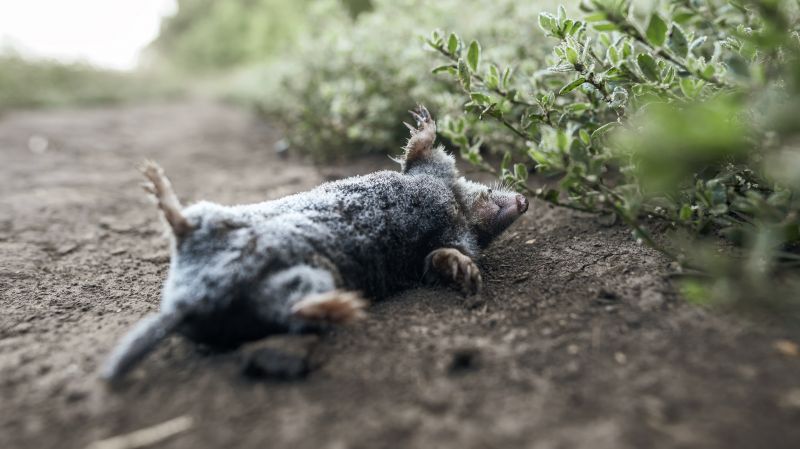
When comparing wildlife removal service providers, it is important to consider their experience with similar projects. Homeowners should seek out local contractors who have a proven track record of handling wildlife issues comparable to their situation. An experienced service provider will be familiar with the common types of wildlife in the area and the most effective removal techniques, which can lead to a smoother and more efficient process. Asking for references or examples of past work can help gauge a contractor’s familiarity with the specific challenges that might arise during wildlife removal services.
Clear, written expectations are essential when choosing a wildlife removal professional. Homeowners should look for providers who can articulate what the service will entail, including the steps involved in removal, cleanup, and prevention measures. Having a detailed plan helps ensure that both parties understand what is included and what is not, reducing misunderstandings or surprises later on. Good communication about procedures and goals also demonstrates a contractor’s professionalism and commitment to transparency throughout the process.
Reputable references and strong communication skills are key factors in selecting a reliable wildlife removal service provider. Homeowners should seek out local contractors who can provide references from previous clients or reviews that attest to their dependability and quality of work. Additionally, a professional who maintains clear and prompt communication can make the entire experience less stressful by promptly addressing questions or concerns. These qualities help ensure that the wildlife removal service will be handled efficiently, with a focus on the homeowner’s needs and expectations.
Property owners often search for what to expect during professional wildlife removal service when they are planning practical projects around their homes and businesses. Local pros provide Wildlife Removal services for everyday jobs and straightforward project options.
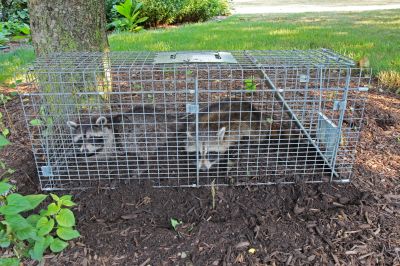
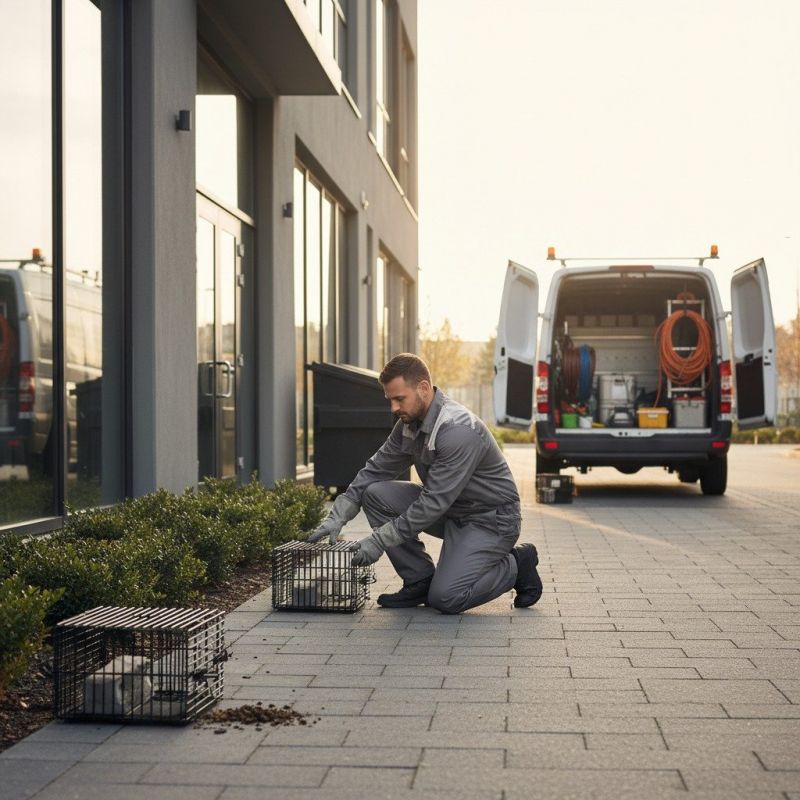
During professional wildlife removal service, property owners can generally expect a thorough assessment of the affected areas to identify how animals are entering and inhabiting the property. Local contractors often begin by inspecting attics, walls, and other hidden spaces where wildlife may have nested or gained access. Once the problem areas are identified, they typically implement humane exclusion methods to prevent animals from re-entering, ensuring that the removal process is both effective and respectful of local wildlife. Property owners might also observe that the process involves setting traps or barriers, which are carefully placed to target specific animals without causing unnecessary harm.
Throughout the service, property owners may notice that the focus is on minimizing disruption to their daily routines while ensuring the wildlife issue is addressed safely. Many local service providers emphasize the importance of cleaning up after removal, which can include sanitation and repair work to restore the affected areas. It’s common for wildlife removal professionals to communicate clearly about what to expect during the process, including any necessary follow-up steps to prevent future encounters. Overall, the service aims to resolve wildlife conflicts efficiently, with a focus on humane practices and long-term solutions.
What is the typical process during professional wildlife removal service? During the service, local contractors usually conduct an inspection to identify entry points and wildlife activity, followed by humane removal of animals and sealing of entry sites to prevent future problems.
What kinds of wildlife are commonly handled during these services? Common wildlife addressed by professionals include raccoons, squirrels, bats, birds, and other nuisance animals that may inhabit residential or commercial properties.
Will the wildlife removal process involve any destruction or damage? Reputable service providers aim to minimize damage by using non-lethal removal methods and carefully sealing entry points without harming the property or animals.
What should homeowners expect during the removal and exclusion process? Homeowners can expect the removal of animals, cleanup of debris or droppings, and the sealing of potential entry points to ensure animals cannot re-enter the space.
Are there any follow-up steps after the wildlife removal service? Many local contractors offer inspections or advice on preventing future wildlife issues, and some may provide ongoing exclusion or maintenance services as needed.
Initial Inspection - Local contractors will assess the property to identify wildlife entry points and nesting areas, helping property owners understand the scope of the removal project.
Humane Removal Methods - Wildlife removal services typically use humane techniques to safely extract animals, ensuring minimal stress and disruption for residents.
Exclusion and Repairs - After removal, pros often seal entry points and recommend repairs to prevent future wildlife incursions, allowing property owners to plan for necessary fixes.
Cleanup and Prevention Advice - Service providers may offer guidance on cleaning affected areas and implementing ongoing prevention measures to keep wildlife away long-term.
If you are thinking about what to expect during professional wildlife removal service for a property, this guide is meant to help you understand this topic, the typical project types, and how different options might fit your plans.
When you are ready, you can use the quote form on this page to share a few details about your project. From there, local pros can review the basics and follow up with options that match what you have in mind.